

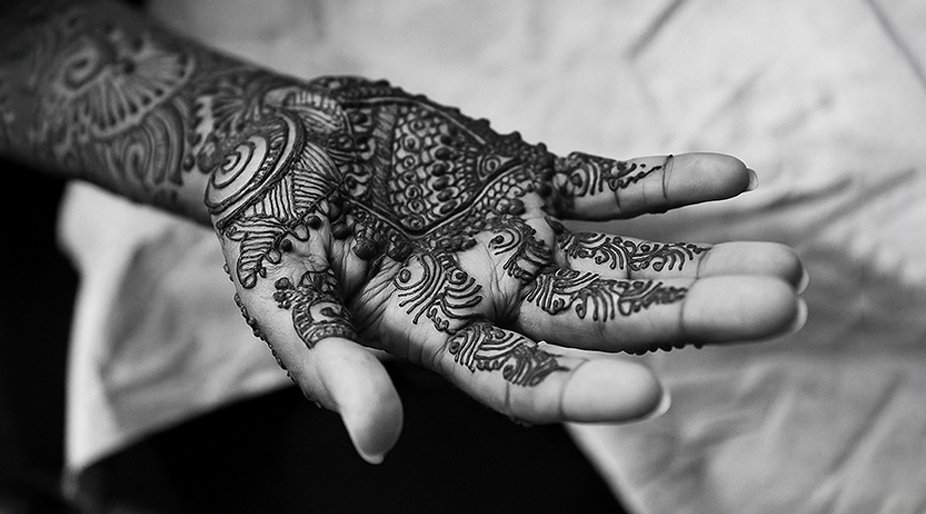
🌿 The Truth About Black Henna: Beauty or Risk?
Henna has always been more than just body art — it’s a language of beauty, celebration, and tradition. For centuries, people have used natural henna to adorn their hands and express joy during weddings, festivals, and special occasions.
But recently, Black Henna has gained popularity for its deep, striking color — and with it, growing concerns.
🖤 What Is Black Henna?
Traditional henna comes from the powdered leaves of the Lawsonia inermis plant, creating a natural reddish-brown stain.
In contrast, Black Henna is often mixed with chemical dyes such as para-phenylenediamine (PPD) to make the color darker and the drying time faster.
While the jet-black stain looks beautiful at first, it’s not as natural or safe as it seems.
⚠️ The Hidden Dangers of Black Henna
Black henna often contains PPD, a chemical commonly found in hair dyes. When applied to the skin, PPD can trigger severe allergic reactions.
Some of the side effects include:
🔺 Redness and itching
🔺 Swelling or blistering
🔺 Permanent skin pigmentation
🔺 Scarring or burning sensation
Many countries — including the UAE — restrict or ban the use of PPD on the skin because of these harmful effects.
At Shaza’s Henna, we’ve seen cases where people came with damaged skin after using black henna elsewhere. That’s why we strictly use 100% natural and chemical-free henna.
🌱 Why Natural Henna Is Always Better
Natural henna is safe, soothing, and deeply rooted in culture. It carries the earthy scent of dried leaves and the healing properties of nature.
At Shaza’s Henna, we prepare fresh organic henna paste for every client using premium, plant-based ingredients.
We enhance the color naturally using:
🍃 Clove oil or lemon-sugar solution to seal and darken the design
🍃 Steam therapy to activate a deeper stain
🍃 Proper aftercare to help the stain last 7–10 days
The result? A stunning deep brown hue that looks elegant — and is 100% safe for all skin types.
🪷 Safe Alternatives to Black Henna
If you love that rich dark color, don’t worry — there are natural and skin-friendly options available!
💧 Jagua Gel: Extracted from the Genipa Americana fruit, it gives a dark blue-black stain safely.
🌾 Indigo Mix: When blended with henna, it deepens the tone naturally.
🌼 Essential Oils: Eucalyptus or lavender oil can enrich natural color without chemicals.
These options offer beautiful, deep results — without any side effects.
💖 The Art and Emotion of Real Henna
Every stroke of real henna tells a story.
From intricate bridal motifs to minimal party designs, henna connects emotions, traditions, and artistry.
At Shaza’s Henna, our artists don’t just apply designs — they craft experiences filled with beauty and care.
Each design celebrates self-expression, femininity, and elegance, whether it’s a wedding day or a festive gathering.
🔍 How to Identify Safe Henna
Before choosing a henna artist or product, always check these signs:
✅ Paste Color: Natural henna paste is greenish-brown — not black.
✅ Smell: It should smell herbal, not like ammonia or chemicals.
✅ Staining Time: Real henna takes 4–6 hours to darken; black henna stains instantly.
✅ Ingredients: Avoid any label mentioning PPD or chemical dye.
At Shaza’s Henna, transparency is key — every paste we use is freshly mixed, safe, and tested for sensitive skin.
🌸 Our Commitment at Shaza’s Henna
We believe beauty should never harm your skin. That’s why we only use organic, cruelty-free, and natural henna products.
Our professional artists focus on precision, hygiene, and creativity to deliver unforgettable results.
Whether you’re a bride, a party guest, or simply celebrating yourself — we ensure your designs are both beautiful and safe.
🌿 Final Thoughts
Black henna may look glamorous at first glance, but the risks are far too great.
Choose authentic henna — pure, artistic, and deeply traditional.
At Shaza’s Henna, we celebrate beauty the natural way.
Let your hands tell a story of grace, tradition, and care — naturally, safely, and beautifully. 💫


