

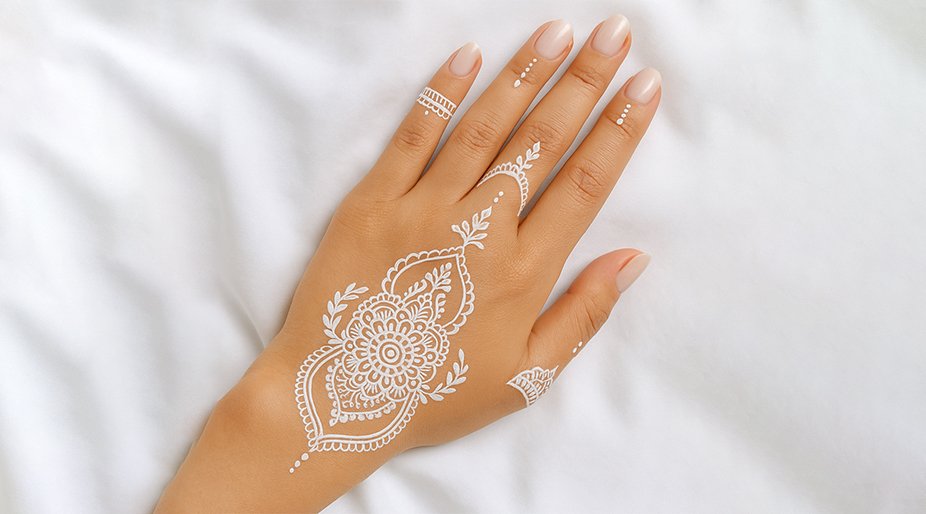
✨ What Is White Henna and How Is It Different from Traditional Henna?
Henna art has been a symbol of beauty, culture, and celebration for centuries. From weddings and Eid gatherings to fashion shows and modern events, henna has always held a special place in Middle Eastern and South Asian traditions. In recent years, a new trend has taken the spotlight — white henna. Elegant, modern, and incredibly photogenic, white henna has become a favorite among brides, influencers, and creative artists across the UAE.
But what exactly is white henna, and how is it different from traditional henna? Let’s explore this beautiful evolution of body art in detail.
🌿 The Origins of Traditional Henna
Traditional henna, also known as mehndi, is made from the powdered leaves of the Lawsonia inermis plant. When mixed with natural ingredients like lemon juice, sugar, and essential oils, it forms a paste that releases a deep orange to reddish-brown color once applied to the skin.
For centuries, this natural dye has been used in Arab, Indian, and African cultures for celebrations, weddings, and spiritual rituals. The beauty of traditional henna lies not only in its intricate patterns but also in the deep meaning behind it — symbolizing joy, prosperity, and blessings.
The color develops within hours and can last for one to three weeks, depending on the skin type and aftercare.
❄️ What Exactly Is White Henna?
Despite the name, white henna is not actually henna. It doesn’t come from the henna plant and doesn’t stain the skin. Instead, it is a cosmetic body-art product designed to create the look of henna using safe, skin-friendly materials.
White henna is usually made from body paint, cosmetic adhesive, and mica powder or body glue, all dermatologically tested for temporary skin decoration. It sits beautifully on the skin, appearing bright white with a matte or pearl finish — perfect for brides, photoshoots, and elegant occasions.
When applied correctly, white henna lasts for 2 to 4 days and can be easily removed with gentle washing or makeup remover.
💫 Key Differences Between White Henna and Traditional Henna
Here’s a clear breakdown of how both styles differ:
| Feature | Traditional Henna | White Henna |
|---|---|---|
| Main Ingredient | Lawsonia inermis plant | Cosmetic body paint or adhesive |
| Color | Reddish-brown to dark maroon | Pure white or pearl white |
| Application Time | Takes hours to dry and stain | Dries within minutes |
| Duration on Skin | Lasts 1–3 weeks | Lasts 2–4 days |
| Safe for All Skin Types | Yes, if natural | Yes, if cosmetic-grade |
| Used For | Traditional ceremonies | Modern, fashion, or bridal art |
| Removal | Naturally fades away |
Washable or peelable |
In short, traditional henna stains the skin, while white henna decorates it temporarily — more like a delicate, skin-safe tattoo.
👰 Why White Henna Is So Popular in the UAE
The UAE, being a hub for weddings, luxury events, and fashion, has embraced white henna as a modern form of body art. It perfectly complements white wedding gowns, gold jewelry, and Arabic makeup looks, giving an elegant and royal vibe.
Many brides prefer white henna for engagement parties or Nikkah ceremonies because it’s simple, classy, and matches perfectly with pastel and gold themes. It’s also a favorite for fashion shoots and influencer content because the designs stand out beautifully in photos and videos.
⚠️ Safety Tips: Choosing the Right White Henna
Since white henna doesn’t come from natural leaves, it’s very important to ensure the product you use is cosmetic-grade and skin-safe.
Avoid cheap or unverified “white henna cones” sold online or in markets, as they might contain industrial paints or glue not meant for skin use. These can cause rashes, irritation, or even burns.
When getting white henna done, always ensure:
-
The artist uses professional body-art paint or adhesive.
-
The products are dermatologically tested and hypoallergenic.
-
The design area is clean and dry before application.
At Shaza’s Henna, we use only certified cosmetic-grade products, ensuring every client’s skin remains safe while looking absolutely stunning.
🎨 Which One Should You Choose?
If you love traditional designs that last long and carry cultural meaning, natural henna is your best choice.
If you want something temporary, elegant, and creative — for weddings, parties, or photoshoots — white henna is the perfect alternative.
Both have their own charm, and many artists (including us!) love to combine them for dual-tone designs, blending white and brown henna for a breathtaking 3D look.
💖 Final Thoughts
White henna has transformed the world of body art, offering a modern twist to a timeless tradition. While traditional henna connects us to our roots, white henna brings elegance, creativity, and a touch of modern glamour.
Whether you’re a bride looking for something unique or simply someone who loves artistic expression, white henna can make your beauty shine in its own graceful way.
At Shaza’s Henna, we specialize in both traditional and white henna art, using only safe, high-quality materials — because your skin deserves nothing less than the best. 🌸✨


Leave A Comment